



Ailoop
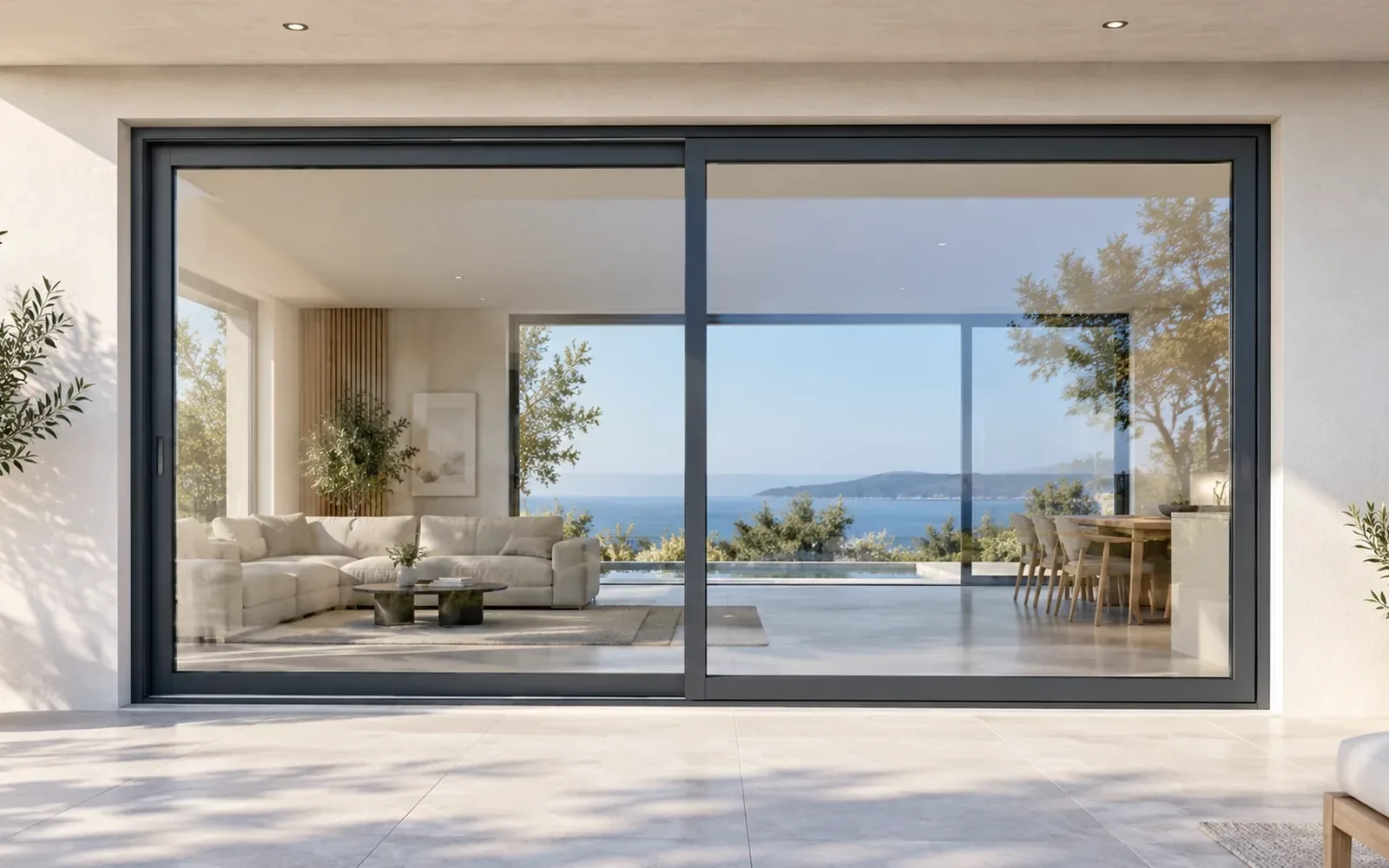
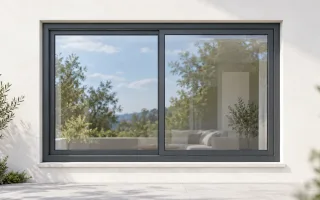
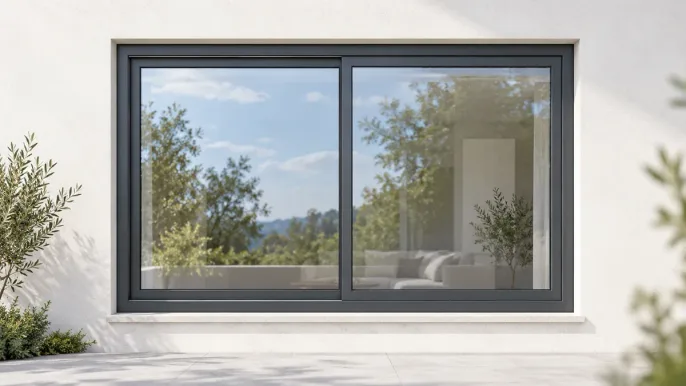
Glazed sliding door with an anthracite grey aluminium frame opening onto a living room, with a sea view.

FDES configurator for windows and doors

Ailoop builds tailor-made FDES configurators for window and door manufacturers. Your teams generate the FDES (the French EPD format, Fiche de Déclaration Environnementale et Sanitaire) of each window, door or glazed sliding door from its real characteristics, including transport to the construction site.

See the families covered

With an LCA expert and a digital expert

Why is a single FDES not enough for your windows and doors?

Because every window or door is made to measure: dimensions, material, profile, glazing, accessories and finish change from one order to the next. A single FDES for a whole range does not describe the unit actually installed.

One FDES for the whole range
  • Order AAluminium window 1.20 × 1.35 mPowder-coated RAL 7016Site in Lyon
  • Order BTimber French window, 2 leavesLight oak stainSite in Bordeaux
  • Order CPVC sliding door 2.40 mWhite, double glazingSite in Lille
FDESA single FDESRange average
Doesn't describe the product delivered
One FDES per order, with a configurator
  • Order AAluminium window 1.20 × 1.35 mPowder-coated RAL 7016Site in Lyon
  • Order BTimber French window, 2 leavesLight oak stainSite in Bordeaux
  • Order CPVC sliding door 2.40 mWhite, double glazingSite in Lille
  • FDES A
  • FDES B
  • FDES C
  1. Made to measure, order after order

    Width, height, number of leaves, opening type: two units from the same range almost never have the same dimensions.

  2. Timber, PVC, aluminium: very different impacts

    The material, the profile, the weight of the glazing and the accessories weigh directly on the environmental impacts of the unit.

  3. Finish and delivery are part of the declaration

    Powder coating, stain or paint, then distance to the construction site: for the FDES to reflect the order, everything goes into the calculation.

The window and door families we model

Our experts model every family of windows and doors, in timber, PVC, aluminium or composite materials. Here are the most common.

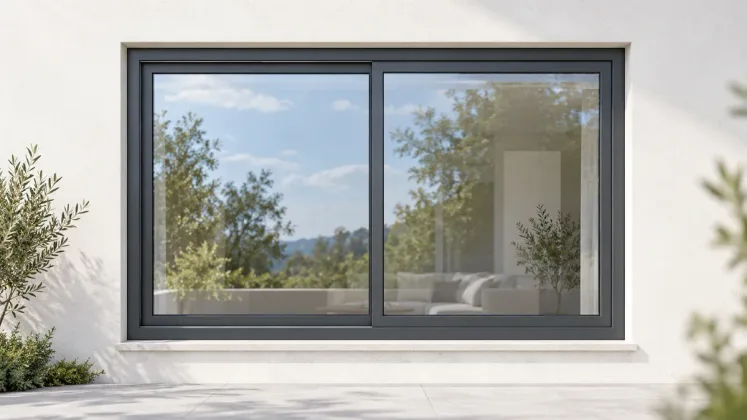
  • Illustration: windows

    FDES configurator for windows

    Side-hung, tilt-and-turn, sliding and bottom-hung windows: dimensions, material, profile and glazing define the FDES of each window.

    See an example
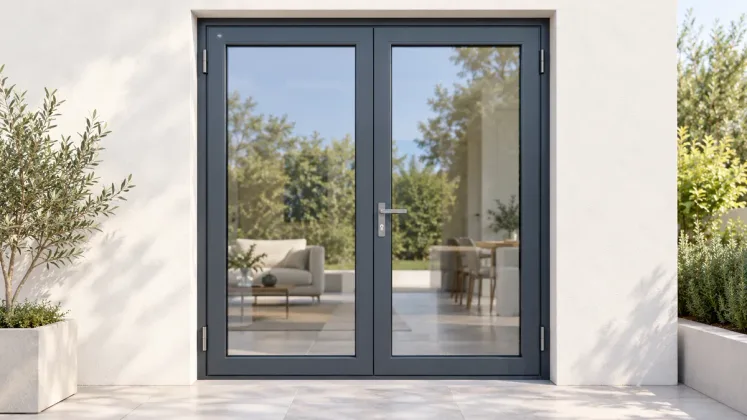
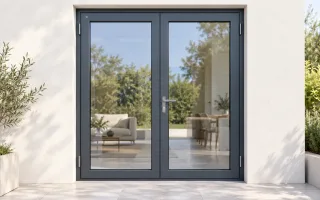
  • Illustration: french windows

    FDES configurator for French windows

    French windows with one or more leaves: the FDES follows the number of leaves, the dimensions and the accessories of the order.

    See an example
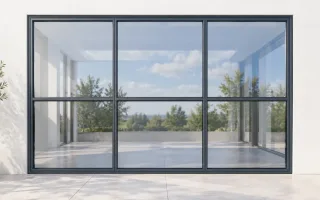
  • Illustration: glazed sliding doors

    FDES configurator for glazed sliding doors

    Sliding, pocket and lift-and-slide doors: large dimensions, glazing weight and hardware go into the calculation.

    See an example
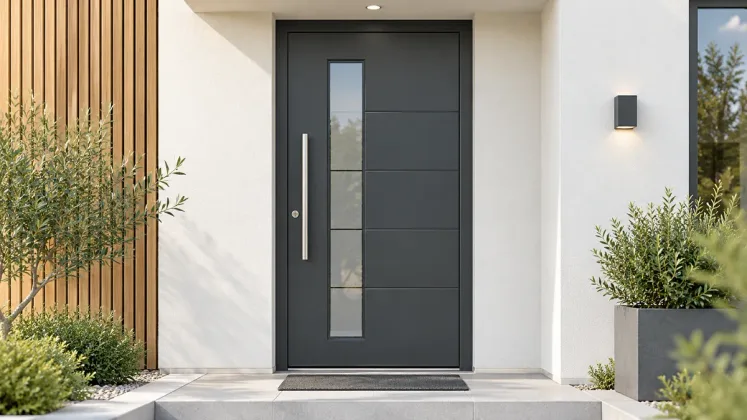
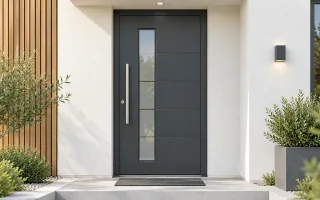
  • Illustration: external doors

    FDES configurator for entrance doors and service doors

    Entrance doors and service doors: material, panel, lock and finish define the FDES of each door.

    See an example
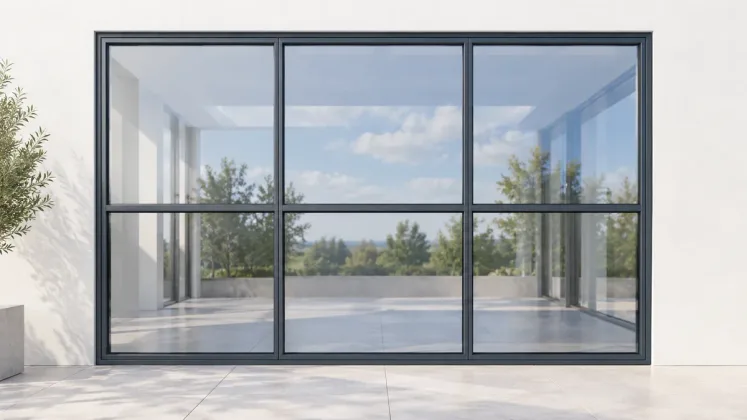
  • Illustration: glazed frames

    FDES configurator for glazed frames

    Fixed frames, opening frames and composite assemblies: the FDES describes the actual make-up of each assembly.

    See an example
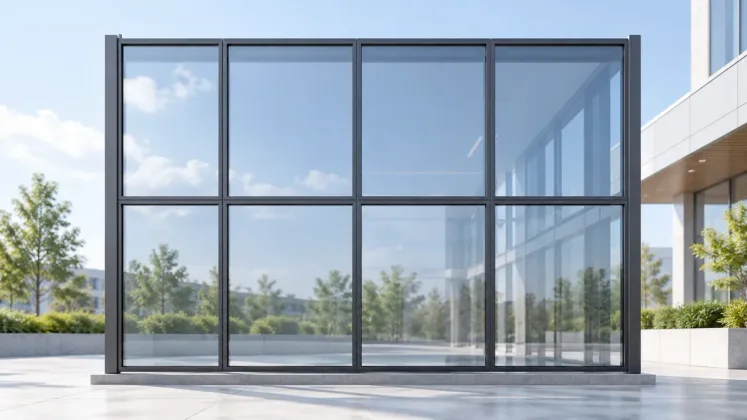
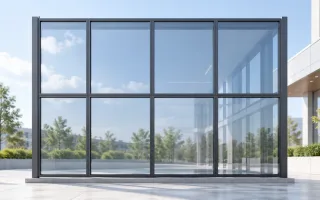
  • Illustration: glazed facades

    FDES configurator for curtain walls and glazed assemblies

    Curtain walls and glazed assemblies: grid, profiles, glazing and fixings go into the calculation, per square metre or per installation.

    See an example
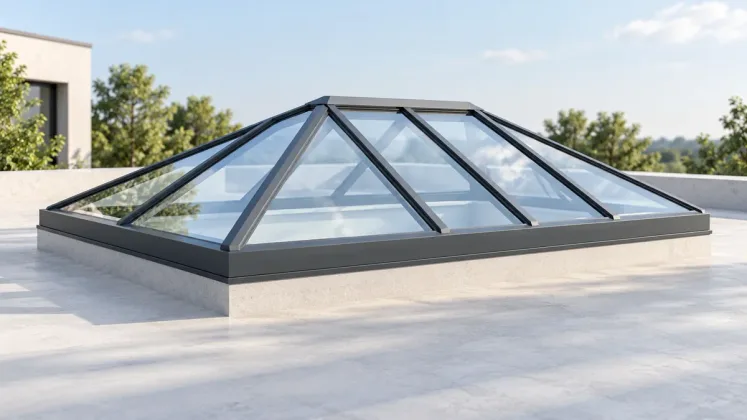
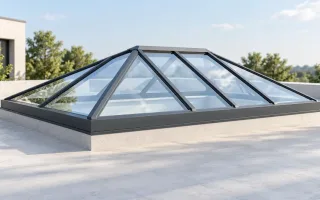
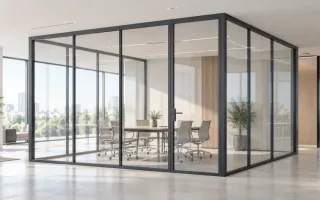
  • Illustration: glass partitions and roofs

    FDES configurator for glass partitions and glass roofs

    Interior glass partitions and exterior glass roofs: dimensions, grid, profiles and glazing define the FDES of each one.

    See an example
  • Illustration: partitions

    FDES configurator for glazed and modular partitions

    Glazed, demountable and modular partitions: the FDES follows the length, the height, the modules and their infill.

    See an example
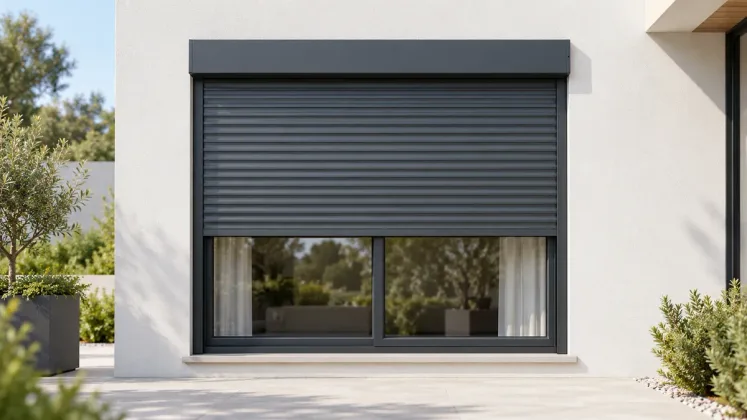
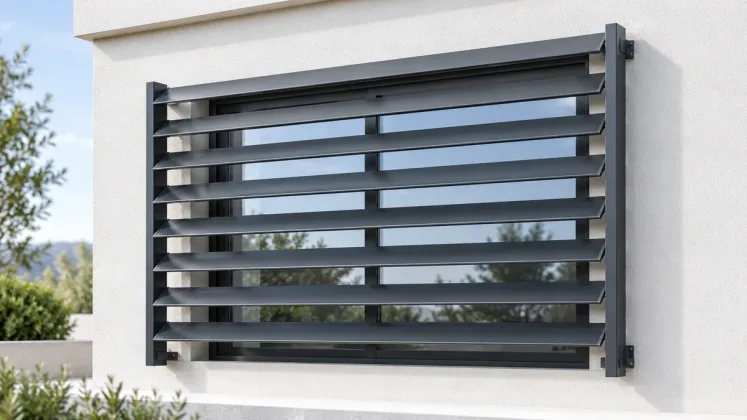
  • Illustration: shutters

    FDES configurator for shutters

    Roller, hinged and sliding shutters: material, slats, motorisation and dimensions go into the calculation.

    See an example
  • Illustration: solar shading

    FDES configurator for blinds and brise-soleil

    Blinds and adjustable brise-soleil: dimensions, slats, fabric or metal, and motorisation define the FDES of each shading device.

    See an example
  • Illustration: conservatories

    FDES configurator for conservatories

    Conservatory structures and glazed assemblies: framework, roof, glazing and accessories are taken into account for each project.

    See an example
  • Your product family isn't on the list?

    Our experts model every product family in windows and doors. Let's talk about it during the free audit.

    Book my free audit

What the configurator varies

In our FDES configurators for windows and doors, the user chooses the family, then enters the dimensions, material, profile, accessories, finish and construction site: the reference FDES is adapted to the unit ordered.

Unit

  • Dimensions (width, height, number of leaves)
  • Material (timber, PVC, aluminium)
  • Profile
  • Weights (profiles, glazing, complete unit)

Accessories and finishes

  • Accessories and hardware
  • Finish (powder coating, stain, paint)

Construction site

  • Construction site postcode
  • Transport distance
Conceptual previewTypical flow of a distributor configurator in three steps: choose the family, enter the parameters, then download the FDES, the XML file and the Excel spreadsheet. Example values.

With an LCA expert and a digital expert

Distributor or generator: which configurator for your windows and doors?

For windows and doors, what mainly varies is the versions of the product ordered: dimensions, material, profile, accessories, finish, delivery. That is why we generally choose the distributor configurator.

Suited to your sector

Distributor configurator

A distributor configurator is verified once, then recognised for RE2020, the French environmental regulation for new buildings: the FDES it produces can be used directly, with no obligation to submit them to INIES, in an XML format that can be imported into building calculation software. The manufacturer can also choose to submit them to INIES to broaden its published catalogue.


Generator configurator

A generator configurator is verified once; each FDES it generates then goes through a lighter verification (the verifier checks the composition rather than the calculations), and is then submitted to INIES.

The choice depends on what varies: if it is the variants of your products, a distributor configurator; if it is your inputs and processes (several sites, formulations, raw materials), a generator configurator.

Understand the difference between distributor and generator configurators

Distributor FDES configurators already in production

Ailoop has already put distributor FDES configurators into production for manufacturers who make to measure, such as MEISER for its gratings and industrial flooring.

The FDES-MEISER interface, the FDES configurator developed by Ailoop for MEISER, next to an FDES generated for industrial flooring.

MEISERManufacturer · gratings and industrial flooring

FDES-MEISER: a distributor FDES configurator for three product families

The need
Provide an FDES that matches the product actually ordered (dimensions, material, galvanising) and its transport to the construction site.
What was built
A web configurator that brings together three product families, their business parameters and the project’s environmental model, with PDF, INIES XML and Excel exports.
Who did what
LCA modelling: WeLOOP. Application development and automation of the calculations: Ailoop.
  • 200FDES published on INIES
  • 678product combinations covered
  • < 1 minto generate an FDES
Explore the MEISER project

The examples shown here are those our clients have allowed us to cite. Other configurators have been developed for manufacturers who wish to remain anonymous.

Methodology

How is an FDES configurator built?

For windows and doors, the data for your ranges (profiles, glazing, accessories, finishes) is prepared from the very first step: it is what makes the FDES true to the unit ordered.

  1. 01

    Define the products and variations to cover

    Identify the families, the products, the parameters that make the results vary, the users and the expected deliverables.

  2. 02

    Structure the LCA models and the data

    Environmental data, assumptions, rules and validity ranges.

  3. 03

    Develop the configurator

    Business forms, calculation engine, checks, data, rules and exports.

  4. 04

    Test and prepare for verification

    Reference cases, consistency of results, limits, traceability and documentation.

  5. 05

    Deploy and evolve

    Opening to users, new product ranges, data updates, maintenance and regulatory changes.

Find out how to build an FDES configurator

Frequently asked questions about FDES configurators for windows and doors

Can one configurator cover timber, PVC and aluminium?

Yes, when the different materials can be brought into a consistent environmental model.

The material then becomes a parameter: the user chooses timber, PVC, aluminium or a composite solution, and the configurator applies the corresponding data to the profile, the weights and the finish.

How does the configurator take dimensions and weights into account?

The dimensions, the number of leaves, the weight of the profiles and that of the glazing are entered or calculated from the configuration.

The configurator derives the quantities of materials and recalculates the impacts of the declared unit, without redoing a study for each reference.

Can accessories and finishes be included in the FDES?

Yes. Hardware, espagnolettes, locks, motorisation, as well as powder coating, stain or paint can become configurator parameters once their impacts have been modelled.

The FDES then adapts to the accessories and finish actually chosen.

Can an FDES be generated from a quote or from quoting software?

Yes. The characteristics can be entered in the application or come from another system: ERP, window and door quoting software, sales configurator or API.

Your sales teams can then attach to the quote the FDES of the unit actually priced.

Distributor or generator: which one should you choose for windows and doors?

For windows and doors, it is generally the distributor configurator: it adapts a verified reference FDES to each configuration ordered.

A generator configurator is more appropriate when it is your inputs and processes that vary, for example several production sites. Understand the difference between distributor and generator configurators

Why choose Ailoop for your windows and doors FDES configurator?

Ailoop brings LCA expertise and software development together in one team, and has already put distributor FDES configurators into production for manufacturers who make to measure.

  • Dual expertise in LCA and digital

    Our chairman, Dr Ing Naeem ADIBI, has 20 years of experience in LCA; our managing director, Guillaume SZABLEWSKI, 20 years in digital transformation. Our LCA experts and our developers work together, from environmental modelling to going live. This complementarity lets us design reliable configurators, tailored to your products and ready for your teams to use.

  • Distributor configurators already in production

    Our distributor configurators are already up and running at made-to-measure manufacturers. They generate verified FDES, published on INIES, the French national EPD database, and usable in RE2020 calculations (RE2020 being the French environmental regulation for new buildings).

    200
    FDES published on INIES for MEISER
  • A tool designed for your teams

    We start by studying your real needs. The tool can then connect to your quoting software to generate an FDES with every quote, and provide a space where your sales teams find the FDES generated. Tailor-made, built around the way you work.

  • A configurator that evolves with your catalogue

    New ranges, new profiles, data updates, regulatory changes: we keep the tool and its LCA model up to date over time, without starting from scratch.

Are your windows and doors a good fit for an FDES configurator?

In a 100% free, no-obligation audit, we look with you at your window and door families, what varies from one order to the next and the data available. You leave with answers to your questions and our advice on next steps.

Book my free audit
  • Naeem ADIBI
  • Guillaume SZABLEWSKI
  • Marie BECCAT

Led by Naeem ADIBI, Guillaume SZABLEWSKI and Marie BECCAT.